Our Story
A hundred years, two foundations
-
1926
Thirty golfers and a great deal of faith
In 1926, a group of thirty golfers, driven by an immense faith and confidence in the future of golf in our country, decided to write the opening page of this story. They founded the Olivos Golf Club as a corporation that would establish a sports centre focused on promoting and developing the game of golf, alongside other pursuits such as rugby.
-
1928
The inauguration
On 19 May 1928, with President Torcuato de Alvear present alongside provincial and municipal authorities, the Olivos Golf Club opened its facilities. Alvear was invited to play the first ball of the inaugural tournament with a "Fierro No. 3" handed to him by John Cruickshank, known to everyone as "Cruki".
-
1950s
A second foundation
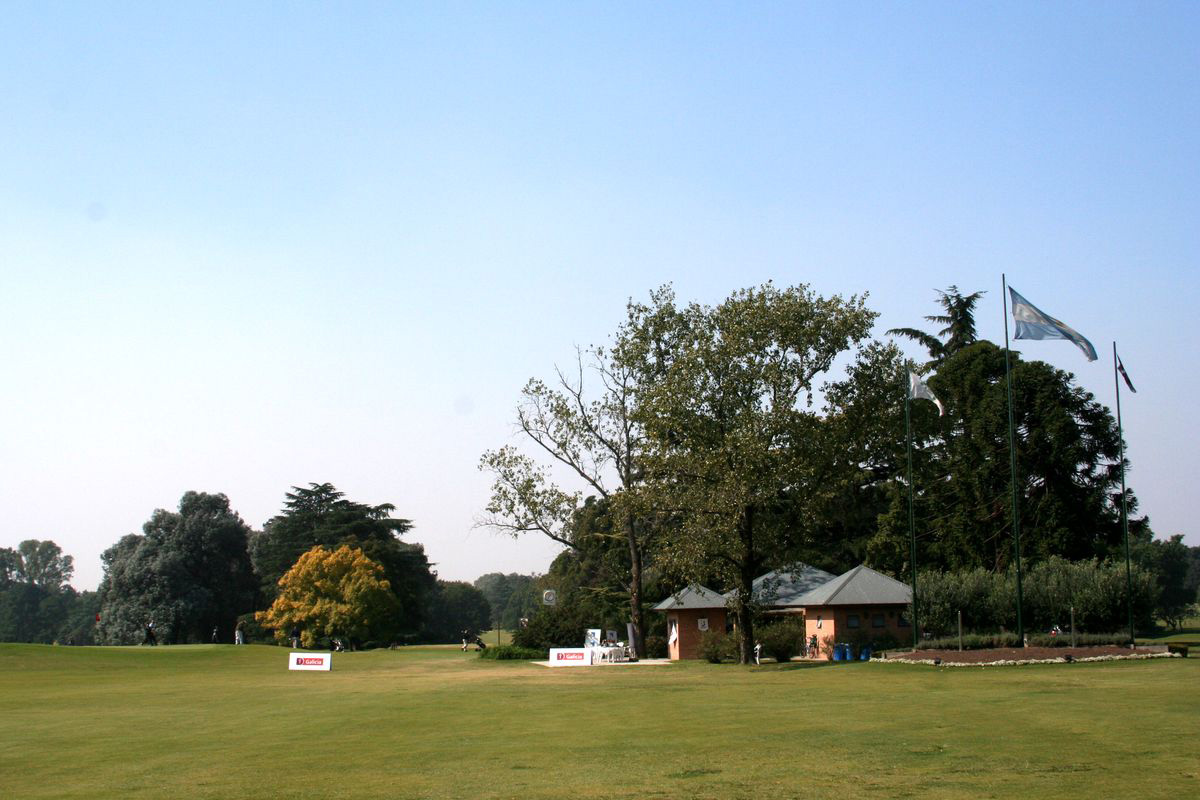
By around 1950 the club — then on the corner of Marcelino Ugarte and España, in Olivos, with one of the finest courses in the country: 18 holes, British in style, par 75 — had to face the effects of rapid urban growth and move to its current location in the Malvinas Argentinas neighbourhood.
That moment was considered a "Second Foundation". The club spirit, far from vanishing, grew stronger and gave meaning to everything that followed. On the land where the facilities stand today there was absolutely nothing: a few fences, thistles and a small eucalyptus wood.
-
1953
Koontz draws the course
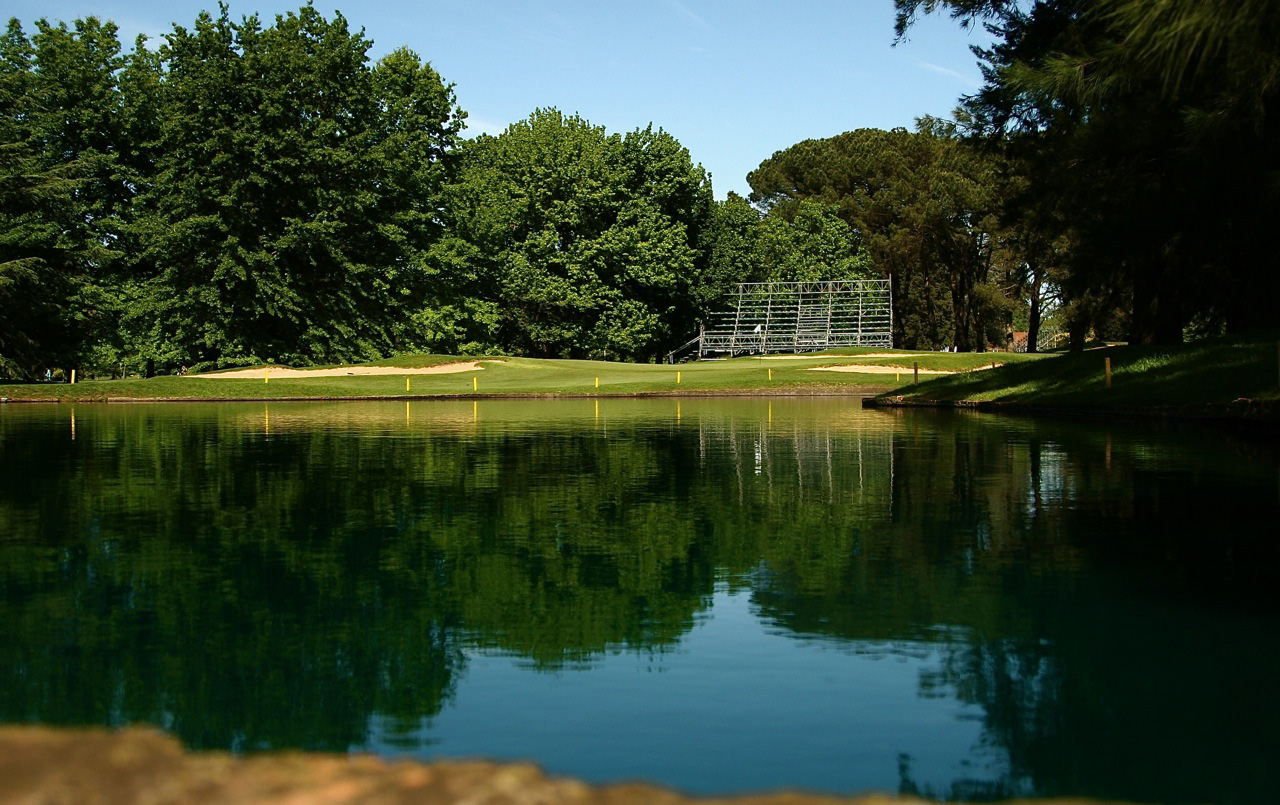
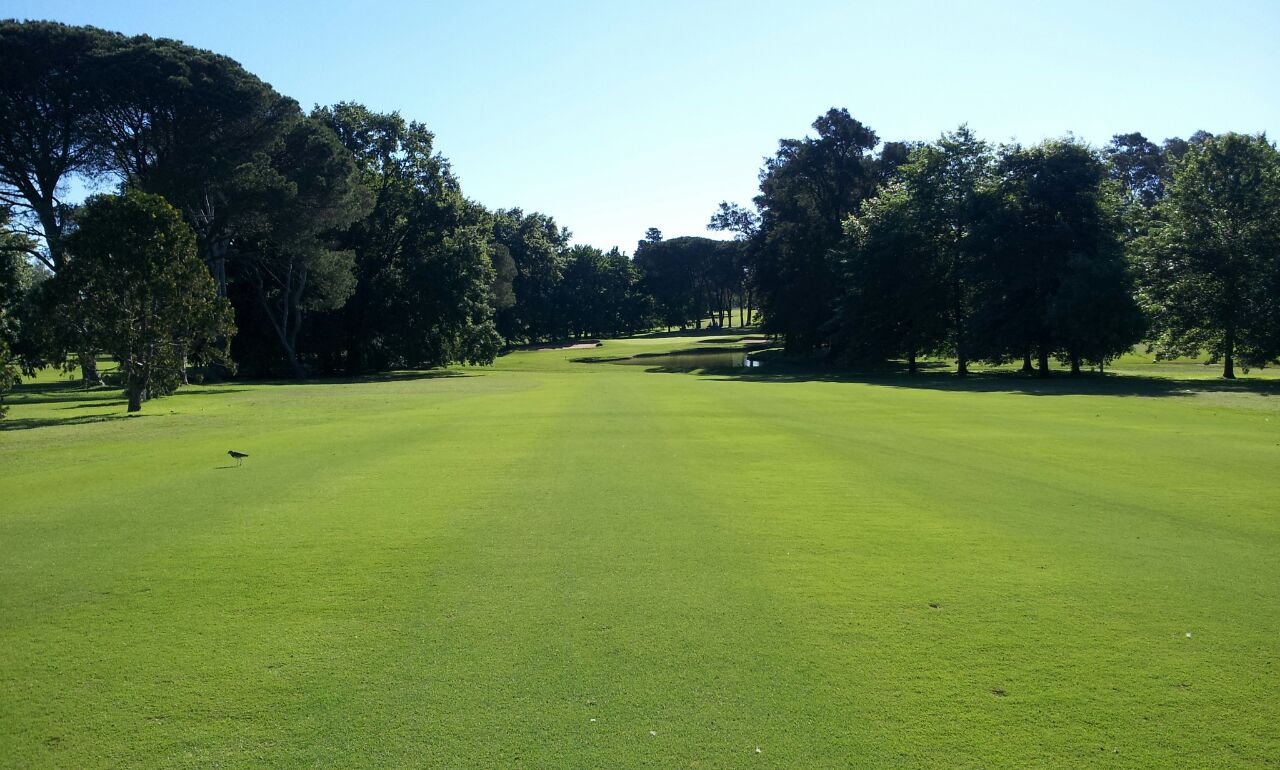
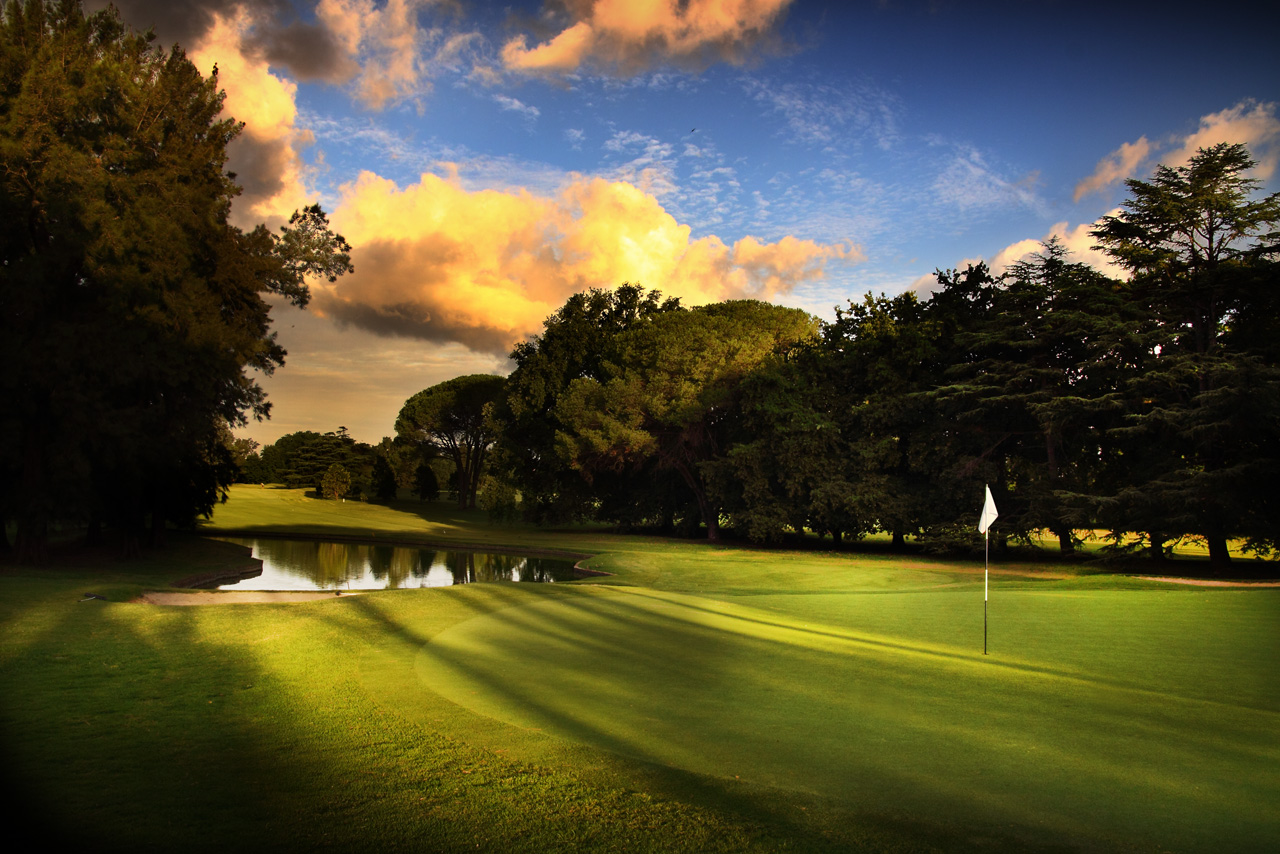
Studies for the new course were entrusted to an old acquaintance of the club, the engineer Luther Koontz, working under the watchful eye of Captain Herbert Diesch and golf professional Ramón Rivarola. Koontz produced the grand layout of the present White and Red courses — the central eighteen. Though tees have moved and greens have been reworked, the course has never lost the essence that has made it one of the best in the country for almost seventy years.
Koontz also designed an irrigation system still considered among the most advanced in Argentina. Some 2,300 trees of varied species were planted by the firm Neira y Escurra; silver poplars marked 150 yards to the green on the left of the fairway, and a few still stand today on holes 2, 14 and 16. In the 1960s Margarita Mackinlay de Maglione, one of the greatest amateurs in Argentine golfing history, completed the afforestation — achieving contrasts of colour of great beauty while sharpening both the strategy of the holes and the practicalities of maintenance.
The eighteen holes of the White and Red course were inaugurated in May 1953 — twenty-three years after President Alvear's first shot at the old ground.
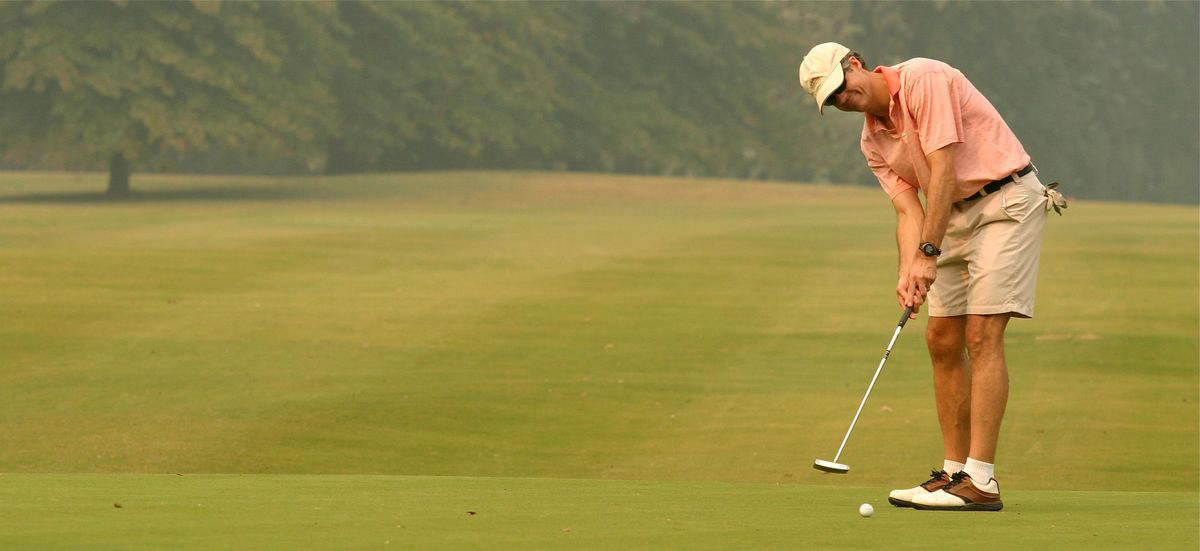
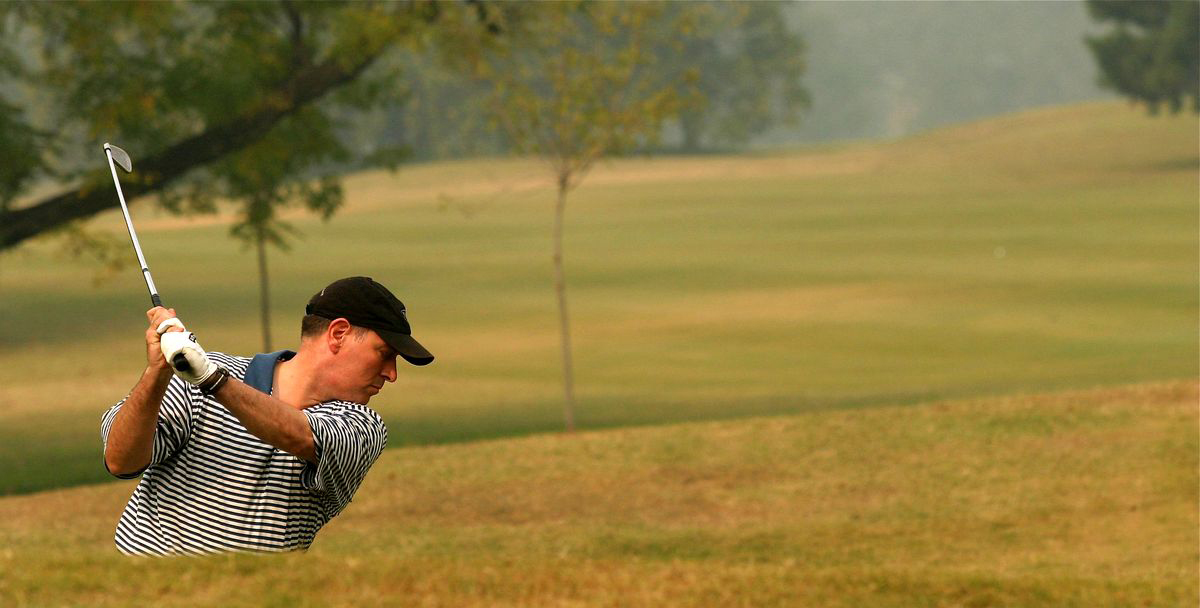
To make a good score at Olivos the golfer has to hit every shot in the bag — but more important is knowing how to handle both effects, draw and fade, because the course demands constant shaping. You must have the effects in mind all the time, and that leads to mistakes.